Back to BlogCar Maintenance
Fluid Checks and Flushes: Keeping Your Vehicle Healthy
July 31, 2026 7 min readBy T&H Tire And Auto Service
Engine oil is just one fluid your vehicle needs. Here is a complete guide to checking and maintaining all your vehicle fluids for long-term reliability.
Engine oil: the most important fluid
Engine oil lubricates moving parts, removes dirt, and helps cool the engine. Check your oil level monthly and change it every 5,000-7,500 miles (or per your owner manual). Dark, dirty oil is a sign it is time for a change. Never let your oil level drop below the minimum mark on the dipstick.
Coolant: preventing overheating and corrosion
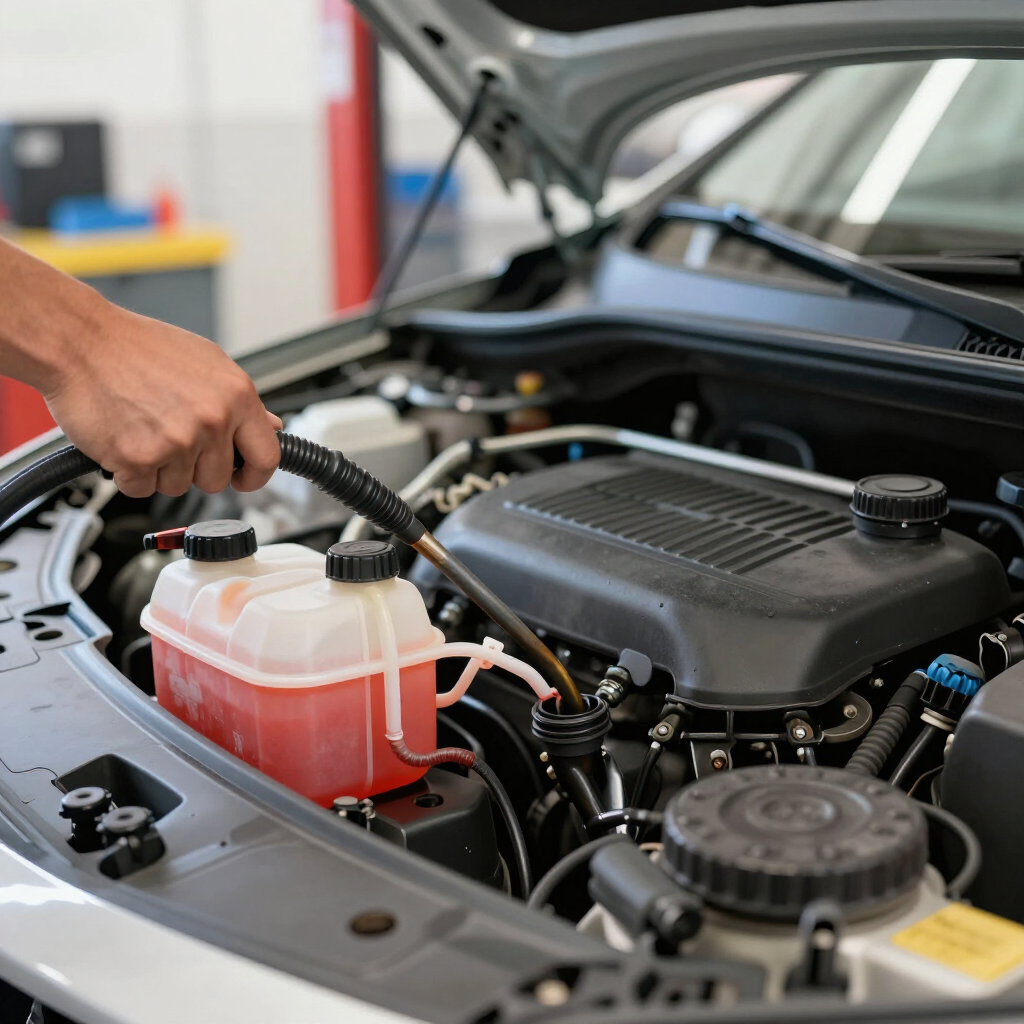
Coolant circulates through your engine to absorb heat and prevent overheating. It also protects against rust and corrosion. Check your coolant level when the engine is cold, and have a coolant flush every 2-3 years to remove old fluid and replace it with fresh coolant. Low coolant can cause overheating and engine damage.
Brake fluid: critical for stopping power
Brake fluid transmits pressure from your brake pedal to the brake calipers, allowing you to stop. Check your brake fluid level monthly — it should be between the minimum and maximum marks on the reservoir. Brake fluid absorbs moisture over time, which reduces its effectiveness, so have it flushed every 2-3 years.
Transmission fluid: smooth shifting and protection
Transmission fluid lubricates the transmission and helps it shift smoothly. Check your transmission fluid level when the engine is warm and running (follow your owner manual for the exact procedure). Transmission fluid should be bright red; if it is dark or smells burnt, have it flushed and replaced. Neglecting transmission fluid leads to expensive transmission repairs.
Power steering fluid: easy steering control
Power steering fluid allows you to steer with minimal effort. Check the level when the engine is cold, and top it off if it is low. If your steering feels stiff or makes noise, low power steering fluid is often the culprit. Have it flushed every 50,000-100,000 miles to keep your steering smooth.
Windshield washer fluid: visibility and safety
Windshield washer fluid keeps your windshield clean so you can see the road. Check the level regularly and refill as needed. In winter, use winter-grade washer fluid that does not freeze. This is the easiest fluid to maintain and one of the most important for safety.
Differential fluid: protecting your drivetrain
Differential fluid lubricates the gears in your differential (the component that allows your wheels to turn at different speeds). Check your owner manual for the recommended service interval — many vehicles need a differential fluid change every 30,000-50,000 miles. Neglecting this fluid can lead to expensive drivetrain damage.
Stay on top of fluid maintenance
Checking your fluids monthly and following your owner manual service schedule keeps your vehicle running smoothly and prevents expensive repairs. Stop by T&H Tire And Auto Service and we will check all your fluids for free and let you know if any need attention.
Need this looked at in person?
Our team offers free inspections at 3602 Old Hickory Blvd.
Questions & Answers
Frequently Asked Questions
Common questions our technicians hear about car maintenance.
Most manufacturers recommend a coolant flush every 2 to 3 years or every 30,000 miles, whichever comes first. Old coolant loses its corrosion inhibitors and can damage your radiator, water pump, and heater core.
Still have a question? Contact our team or give us a call and we will walk you through it.
Ready to get your vehicle checked?
Our ASE-certified team is ready to help with tires, brakes, oil changes, suspension, and more.