
Back to BlogCoolant System
Coolant System Service: Overheating Causes and Prevention
August 6, 2026 7 min readBy T&H Tire And Auto Service
An overheating engine can cause catastrophic damage in minutes. Learn how the coolant system works, what causes overheating, and how to prevent expensive repairs.
What the coolant system does
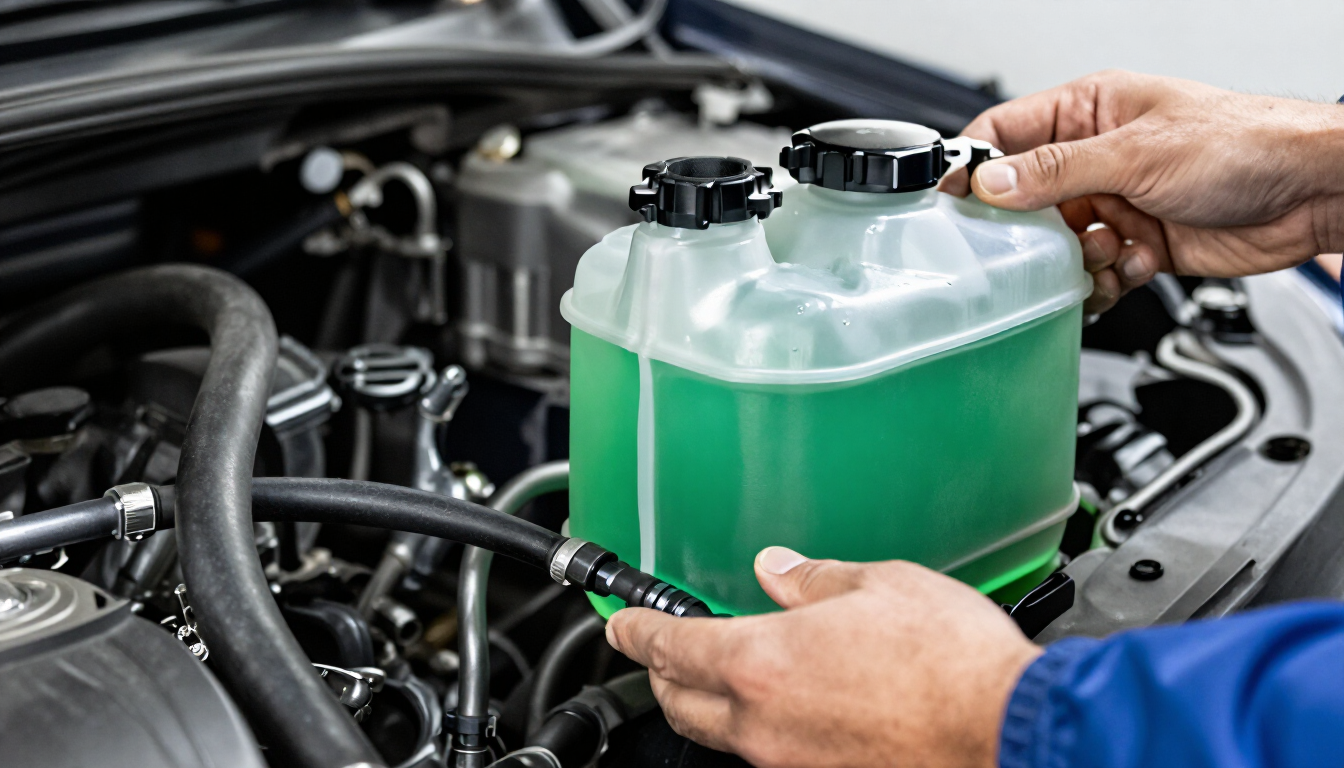
Coolant (a mix of antifreeze and water) circulates through the engine, absorbing heat, then passes through the radiator where airflow cools it back down. The water pump pushes the fluid, the thermostat regulates flow, and the cooling fan pulls air through the radiator at low speeds. Every part has to work together to keep the engine in its safe temperature range.
Common causes of overheating
Low coolant from a leak is the most frequent cause. Others include a stuck-closed thermostat, a failing water pump, a clogged radiator, a broken cooling fan or fan relay, and degraded coolant that no longer transfers heat efficiently. A blown head gasket can also cause overheating and may show up as coolant loss with no visible external leak.
Warning signs before a breakdown
Watch the temperature gauge and any steam from under the hood. Other signs include a sweet smell from leaking coolant, the cabin heater blowing cold when the engine is hot, coolant pooling under the car, or a low-coolant warning light. Catching these early usually means a cheap hose or thermostat repair instead of engine damage.
Why coolant flushes matter
Coolant contains corrosion inhibitors that wear out over time. Old coolant becomes acidic and eats away at the radiator, water pump seals, and heater core from the inside. A flush every 2-3 years removes contaminants and restores the protective chemistry, extending the life of every component in the system.
Never open a hot radiator cap
Opening a pressurized, hot cooling system can spray scalding coolant and cause serious burns. Always let the engine cool completely before checking coolant level, and follow your owner manual for the correct fill procedure and coolant type. When in doubt, let a technician handle it.
Prevention is far cheaper than repair
A coolant flush and inspection costs a fraction of a head gasket job or engine replacement. Have the hoses, radiator, water pump, and thermostat inspected during routine service, and address any leak or temperature change immediately. Stop by T&H Tire And Auto Service in Old Hickory and we will check your coolant system top to bottom.
Need this looked at in person?
Our team offers free inspections at 3602 Old Hickory Blvd.
Questions & Answers
Frequently Asked Questions
Common questions our technicians hear about coolant system.
Most manufacturers recommend a coolant flush every 2 to 3 years or 30,000 miles, whichever comes first. Old coolant loses its corrosion inhibitors and can damage the radiator, water pump, and heater core.
Still have a question? Contact our team or give us a call and we will walk you through it.
Ready to get your vehicle checked?
Our ASE-certified team is ready to help with tires, brakes, oil changes, suspension, and more.